


How to Attract Visitors to Your Exhibition Stand:
10 Proven Strategies for Maximum Engagement
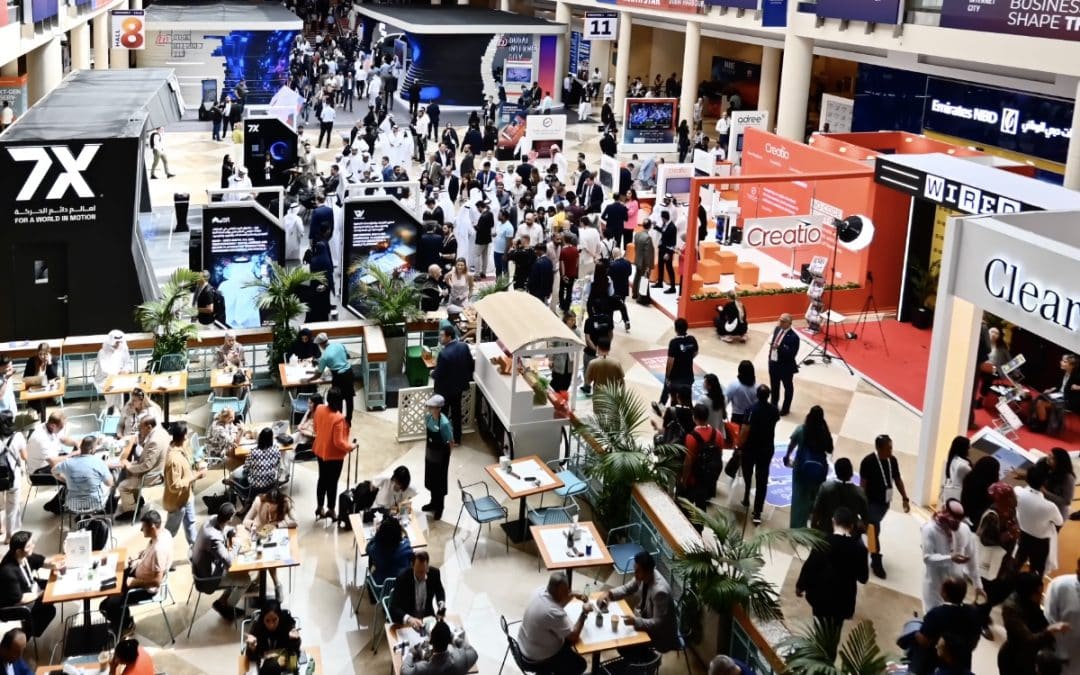
Standing out at an exhibition isn’t about size or budget, it’s about connection. Drawing on insights from experienced exhibition professionals and Social Espresso’s years of supporting leading brands at exhibitions and events across the UK and Europe with their mobile barista service, this guide explores ten proven steps to attract visitors to your exhibition stand, create meaningful engagement, and leave a lasting impression.
Introduction
Walk into any major exhibition and you’ll see a familiar scene: hundreds of stands competing for attention, each with carefully designed graphics, lighting, and giveaways. Yet despite the investment, some stands stay busy all day while others are noticeably quiet. The difference rarely comes down to luck; it’s usually about how a stand engages people. And not just on the day itself, but in the run up to the exhibition.
Exhibitions have changed a great deal in recent years. Visitors are much more selective with their time and increasingly value experiences that feel genuine and relevant. Brands, in turn, are moving away from simply handing out brochures and traditional ‘selling’, towards creating small, memorable moments, the kind that start conversations and open the door to real relationships.
At Social Espresso, we’ve seen this shift first-hand while providing coffee and hospitality bars for exhibitions across the UK and Europe. Our work puts us at the heart of the show floor, where we see what truly draws people in. It’s rarely the flashiest technology or biggest screens, its warmth, welcome, and human connection.
This guide brings together practical advice from our own years of experience, and from two seasoned exhibition professionals, to explore how to attract visitors to your exhibition stand and keep them engaged once they arrive. From pre-event planning, stand design and staff training, to sensory details like lighting, layout, and yes, the inviting aroma of freshly ground coffee, these are the strategies that are proven to consistently make the difference.
Expert insight
Exhibitions work, the numbers tell the story: Research by GraphiColor Exhibits revealed that 91 percent of exhibition attendees state that exhibitions impact their buying decisions and product placements. Furthermore, according to Exhibitors Survey Inc. 81 percent of trade show visitors have buying authority, so 4 out of 5 leads are decision makers regarding your product or service.

1. Define Your Purpose and Message
Before you think about graphics, giveaways or floor plans, step back and ask a simple question: why are we here?
Every successful stand starts with a clear purpose. Are you aiming to launch a new product, generate leads, meet existing clients, or raise brand awareness? Defining your goal early shapes everything that follows; your design, your stand location, your staffing, your tone of voice, even where you position your coffee bar or demo area.
Visitors should be able to grasp your message within a few seconds. A concise statement, visible from a distance, does far more than a wall of text or competing taglines. Keep your visuals simple and your layout open, with one or two clear paths for engagement, whether that’s trying a product, booking a demo, or engaging in an interactive experience as an icebreaker to start a conversation.
Expert insight
Based on decades of experience, Claire Catliff, founder of Love Luxury Events, emphasises that far-and-away the most important thing that attracts visitors to an exhibition stand is a clear and straightforward message, one that instantly and powerfully tells people ‘What’s in it for me?‘
Pre-event marketing
Exhibition success starts weeks or even months before the doors open. It’s vital to contact existing clients and warm leads to let them know you’ll be there, and to invite them personally to drop by. Mention your stand number and what you’ll be showcasing, as well as any hospitality, demos, experiences or special deals you’ll be offering.
A short email, a social post, or a message via the exhibition app can put you on a visitor’s itinerary before they arrive. And if the show offers a networking platform, book a few short meetings in advance so there’s guaranteed footfall from day one.
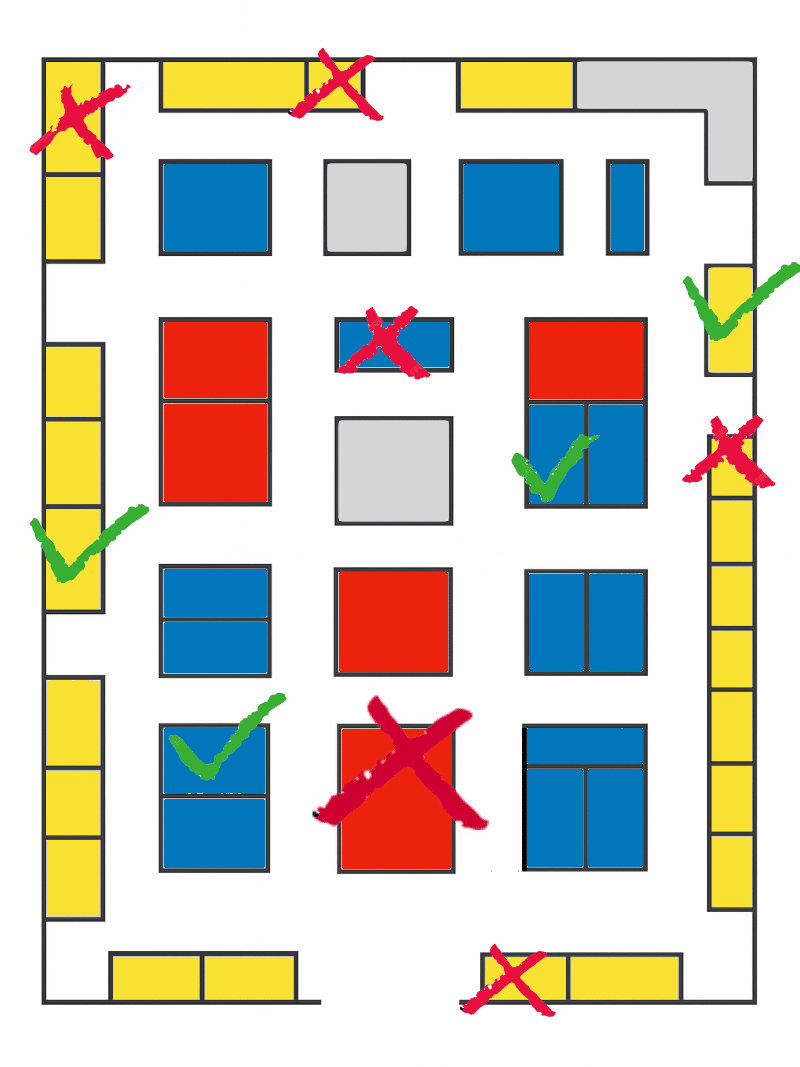
Choose a good stand location, it’s not always where you think
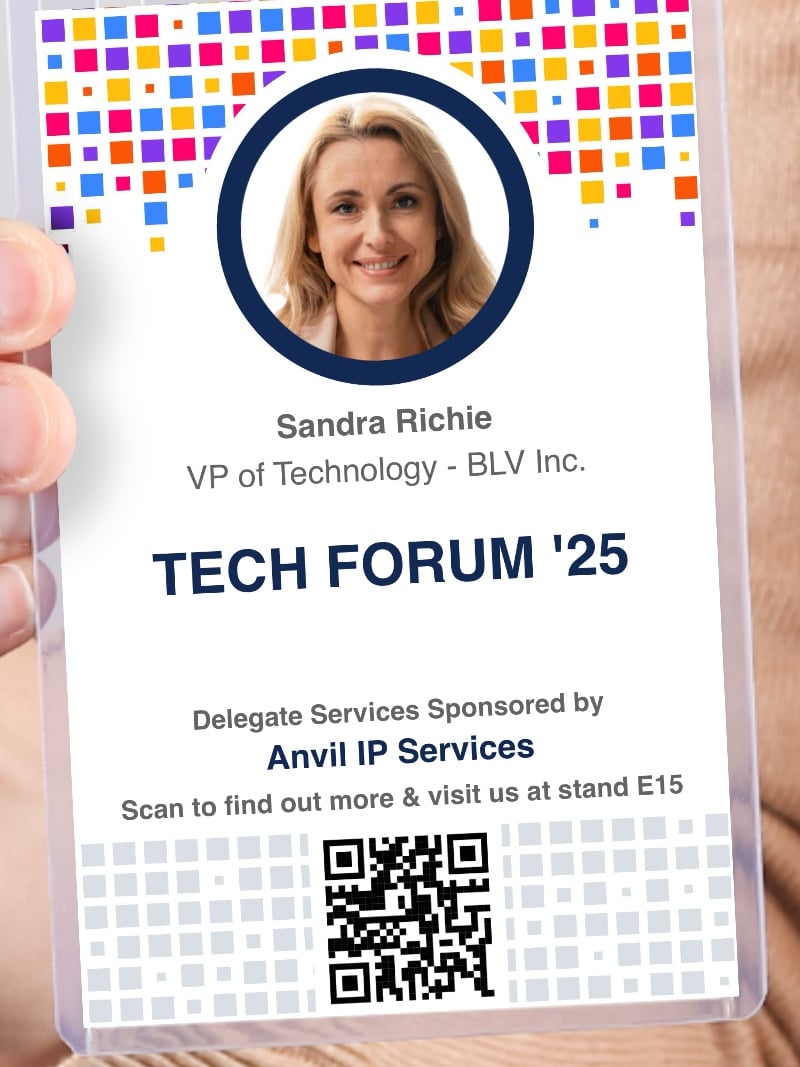
Explore exhibition sponsorship opportunities, give your stand the edge
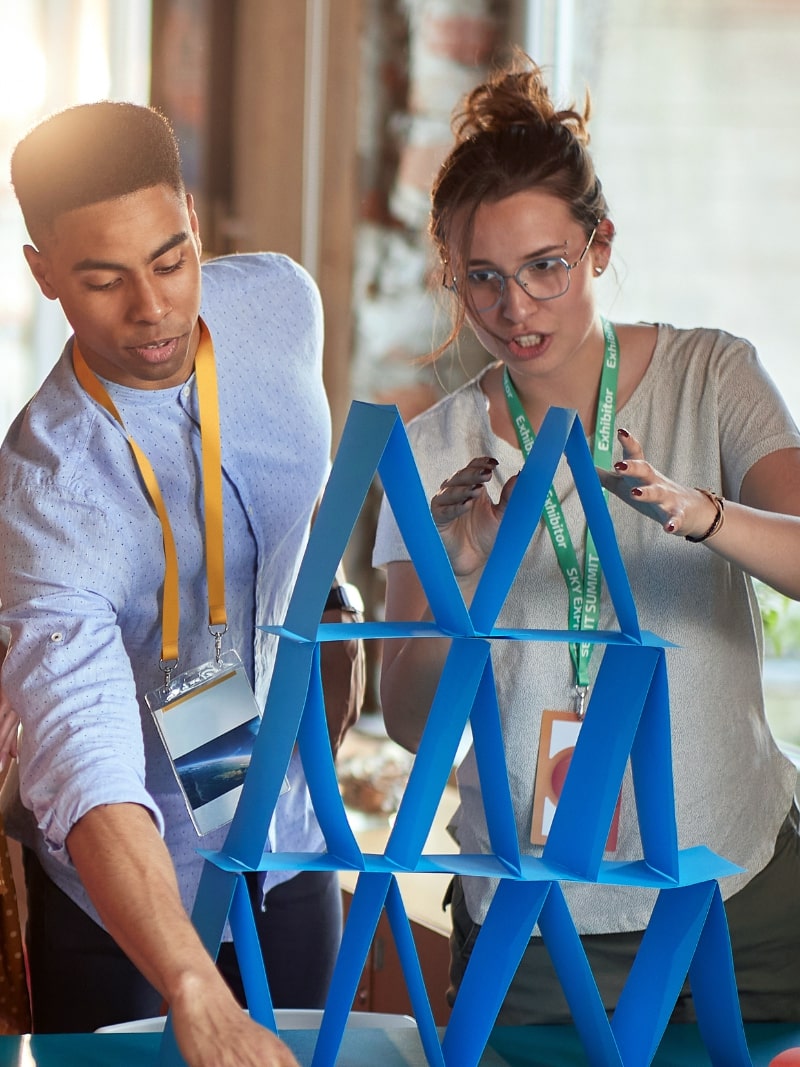
Create interactive and sharable moments, get people involved

2. Stand Design – Flow, Openness & Position
A well-designed stand doesn’t just look good, it feels good to enter. Gone are the days of enclosed booths, the most successful spaces invite movement and make it easy for visitors to see what’s on offer without hesitation or confusion.
Start by thinking about flow. Where will people approach from? How can you make that first step onto your stand feel natural rather than forced? Avoid barriers at the edges like high counters, tightly packed furniture or banners can all create subtle signals that say ‘keep out’. Instead, aim for openness: clear sightlines, welcoming entrances and defined zones that encourage people to explore what you have on offer. Less is usually more too; generally overcrowded stands are less inviting to potential visitors.
Lighting is equally powerful. Bright, even illumination gives clarity, while accent lights draw attention to products or key messaging. Combine this with tactile materials (the current trends are for warm woods, soft textures, clean finishes) to create a space that feels approachable and comfortable rather than overly corporate.
Finally, remember that design should serve your message, not distract from it. Every graphic, surface and object should guide visitors towards conversation and connection.
Expert insights
With over 30 years in the exhibition industry, freelance consultant Cathy Forsyth has often noticed that people have put a lot of thought into how their stand will look, but only from the viewpoint of a visitor standing right in front of it. Equally important (or arguably even more important) is how the stand looks from 20 or 30 metres away. If the set up and messaging are too detailed and convoluted to be seen and understood at a distance, you may never even get the visitor to your stand at all.
For Claire Catliff, one of the most memorable exhibition stands that made an impact on visitors was at a recent Brighton and Hove Business Show at the AMEX Centre in Brighton in South-East England. A florist had hired an entire wall of artificial flowers as a backdrop to their stand, which could be seen as soon as people walked into the exhibition hall. Not only was her stand very busy, but she won the Best Stand Award too!
Another great tip from Claire is that if you want to know what will work well at an exhibition you’re going to attend, study the previous years’ photos and media to see what stood out. That way you’ll get a good feel for the exhibition and can make more informed decisions about your choice of design.
What’s the best location for an exhibition stand?
Just as layout influences movement within your stand, position on the exhibition floor can make a substantial difference to overall visibility. Stands near entrances, café areas or main walkways typically benefit from higher footfall, while those in far corners or behind large island builds may struggle to attract passing traffic.
If possible, avoid dead-end aisles or areas obscured by large architectural features. Corners and intersections tend to work well, offering exposure from multiple directions. When premium locations aren’t available, compensate with strong sightlines; open edges, lighting that catches attention from a distance, or even aroma cues that reach beyond your boundary.
Expert insight
According to exhibition gurus Nichola and Steve Reeder in their book ‘The Exhibitionist: Inspiring Trade Show Excellence’, the best place to have a stand in an exhibition hall are (in no particular order):
- Near the organisers stand and the press office
- Adjacent to relaxation areas and refreshment stalls
- Around areas used for seminars, presentations or panel discussions, or if these are taking place in a separate room, then just outside the exit door from that room
- Near to (but not too near) the toilets (high footfall!)
And Cathy Forsyth adds a tip that’s a at first seems counter-intuitive; avoid being one of the first few stands that people see as they enter the exhibition hall (unless you get your welcome message spot on). Experience shows that people will often glance at your stand and then keep on moving.

3. Explore Sponsorship Opportunities
Beyond your stand, most exhibitions offer sponsorship options that can quietly boost visibility and drive extra footfall. These don’t have to be large-scale or costly, even small touches can make a big difference if they’re well aligned with your brand.
Look for chances to sponsor shared features such as attendee badges, lanyards, floor-plan maps, and registration desks or video screens. Each of these gives you exposure before visitors even reach the hall. Sponsoring a breakout area or lounge lets you integrate subtle branding and hospitality, placing your name in the visitor’s journey throughout the day.
If the event offers a refreshment zone, co-branding it is particularly effective, as people naturally associate that moment of pause with your brand. We’ve seen clients create small satellite bars in these areas that draw visitors directly back to their main stand.
Choose opportunities that reinforce your story rather than distract from it. A well-placed logo or co-branded feature that visitors interact with, rather than simply glance at, often delivers the best return.
Expert insight
At the Brilliant Business Shows and the Mike Monk Business Shows, both in South East England, Claire Catliff has found that sponsored exhibition badges with a QR code work particularly well. When someone scans the badge of a visitor they’re talking to get a record of their business and their contact details, they also get additional information about the exhibition itself, and you, the sponsor.

4. Create Interactive and Shareable Moments
Interaction is what transforms a stand from a static display into an experience. Visitors don’t just want to look, they want to do. Creating opportunities for simple, low-pressure participation helps people connect more deeply with your brand.
The best interactions don’t have to be complicated. A short quiz, a product demo, or a creative photo opportunity can all work well if they tie naturally to your message. The goal is to spark curiosity and give visitors a reason to stay a little longer, and ideally, to share their experience with others.
In recent years, we’ve seen a growing trend toward experiences that blend digital and physical. QR codes linking to instant giveaways, on-stand mini-competitions, and touchscreen demos are all effective when they feel purposeful rather than gimmicky. What matters is that every interaction earns attention rather than demands it.
Branded elements, like a personalised coffee stencil or a logo branded cup, also play a subtle but powerful role in shareability. Visitors often take photos of their drinks, especially when the presentation looks good. A branded cup in a social post is a small but valuable piece of exposure that feels entirely organic.
Expert insight
Over many years, here are some memorable examples from Cathy Forsyth of ways that exhibition stands have created interactive and engaging experiences, and boosted footfall to their sites…
- At the top end, high end golf simulators, racing car simulators and, notably, a motorbike simulator at eCommerce Expo 2026 at The Excel in London have all been particularly popular with exhibition visitors.
- Not quite so high-tech, but very creative, was a life-sized version of the popular children’s game ‘Operation’ at a large medical exhibition, where the challenge was to remove different body parts without setting of an alarm (not so gory as it sounds, and a lot of fun). Caricature artists have also been a hit with visitors, think of how long someone will keep something like that after an exhibition.
- An even lower tech, but common and popular, way of engaging people is a ‘Buzz wire’ game, a dexterity challenge where players guide a metal loop along a wire maze without touching the two together. Not only does this present a surprisingly difficult challenge, but for people of a certain age it taps in to a popular childhood memory of fairgrounds and school fetes.
- Finally, a spin-the-wheel game with giveaways is always likely to be popular. Again, it’s highly interactive and the unpredictability of the prize is emotionally engaging.
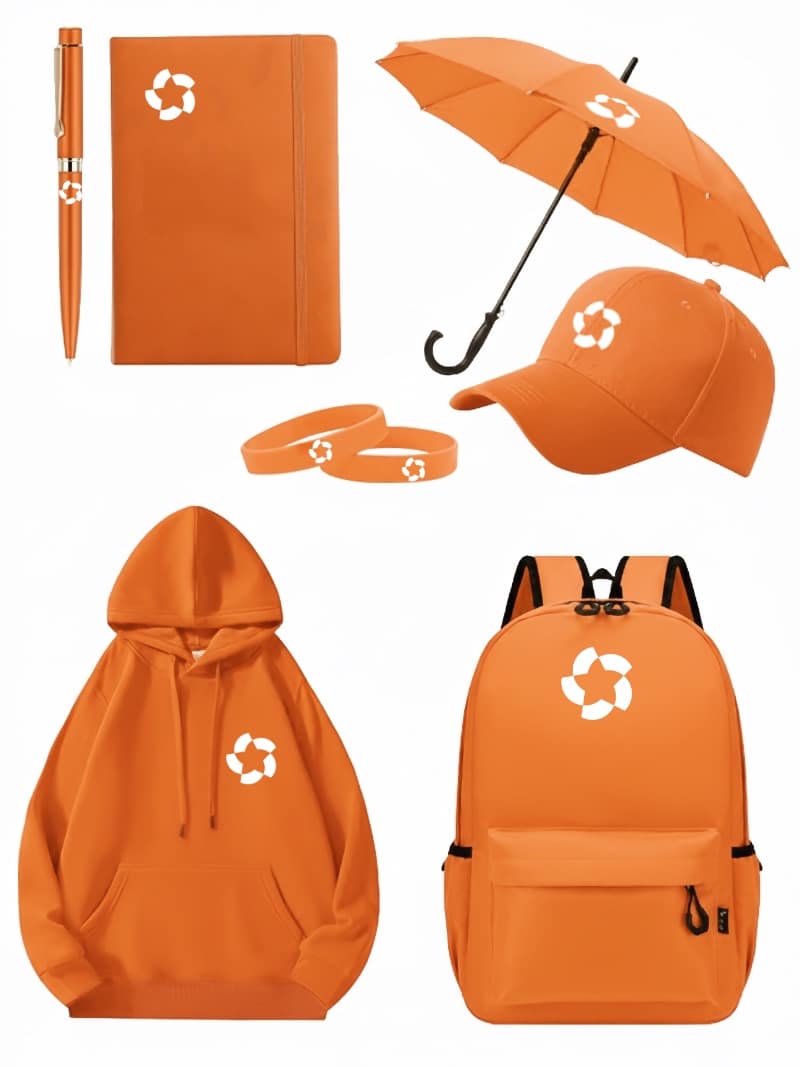
Everyone loves a freebie, and they promote your brand too

Appeal to all the senses; sight, sound, touch, smell and taste

Offer quality refreshments, top-of-the-range coffee works very well!

5. Goodie Bags and Giveaways
Alongside interactive experiences, goodie bags and giveaways have always been a reliable way to increase engagement at an exhibition stand, especially when they’re done with thought and purpose. The best items are those that visitors actually use after the event.
Match the giveaway to your brand story; a wellness brand might give away a branded mug with some herbal tea bags, a tech company might offer screen cleaners or cable organisers, while phone accessories are almost universal in their uses. Presentation matters too; a neatly packaged gift or simple paper bag keeps your logo visible as visitors walk the floor.
And a study by the Advertising Speciality Institute found that recipients keep promotional items for an average of six and a half months. Obviously this will depend on the type of item, but that’s a significant period of time when your brand name is visible.
Expert insight
Across the globe, Cathy Forsyth has seen the following branded items work the best as exhibition giveaways:
Notebooks, stress toys, pens, water bottles, post-it notes, keychains, mobile phone accessories, mugs, soft toys, caps, and in more recent years, a surprising trend has been that socks have become a popular hit. However, out of all the examples that she’s seen, the stand-out was at the London Vet Show in 2021, where the hugely in-demand giveaway were cat and dog designed Covid face masks!

6. Engage the Senses
In a busy exhibition hall, every visitor is surrounded by motion, colour and sound. Screens flash, voices overlap, lights compete for attention, and after an hour or two, it can all start to blur. To stand out, it helps to think beyond sight alone and create an environment that appeals to all the senses. When people can see, hear, touch, smell and even taste something distinctive, your stand moves from being just another space to a complete experience.
See: Design for Impact and Clarity
Visuals remain the first point of contact, so clarity and composition matter more than volume. Dynamic lighting can help guide the eye; use accent lights to highlight products or draw attention to key messages. Bold, high-contrast graphics and clean typography make information easy to absorb at a glance, while LED screens or subtle motion graphics add life without clutter. Above all, keep the design cohesive: colours, materials and imagery should tell one clear story rather than competing for attention.
Hear: Create an Audio Atmosphere
Sound shapes the mood of a space in ways visitors often don’t consciously register. A gentle background soundtrack or curated ambient soundscape can calm, energise or intrigue depending on your brand’s personality. If you’re hosting live demos or talks, ensure microphones and speakers deliver crisp, clear audio that cuts through the general hum without overwhelming nearby stands. Volume and balance are key; you want people drawn in, not driven away.
Touch: Invite Physical Interaction
Tactile engagement deepens memory and understanding. Let visitors handle your products, explore textures, or test features for themselves. If you offer a service, bring it to life through touchscreens, AR/VR or physical models that make the intangible tangible. Even the materials you choose, from the grain of a tabletop to the fabric of a seat, communicate quality and care. Comfortable seating or soft finishes encourage people to linger, giving your team more time for conversation.
Smell: Set the Mood Through Scent
Scent is one of the most powerful and underrated tools in exhibition design. A subtle fragrance, whether diffused essential oils or a product’s own aroma, can instantly change the emotional temperature of your space. The right scent can evoke calm, freshness or energy, anchoring your brand in memory long after the show. Keep it delicate: a hint of citrus, wood, or baked warmth is far more effective than anything heavy-handed.
Taste: Offer Small Moments of Enjoyment
Taste is rarely considered in exhibition design, but it’s one of the easiest ways to create connection. Simple branded snacks, flavoured water, or a product tasting can provide a welcome break and a natural conversation starter. The act of sharing food or drink signals hospitality and leaves a positive association; not through excess, but through thoughtfulness.
When these sensory layers work together, your stand becomes more than something to look at, it becomes something to feel. Visitors remember how your space made them feel long after they’ve forgotten the finer details of what they saw.

7. Offer Quality Refreshments
Hospitality plays a quiet but powerful role at exhibitions. A well-timed drink or snack can turn a passing visitor into a genuine connection. It’s not just about providing something to consume, it’s about creating a moment of pause, comfort and conversation.
Quality matters. A stand offering barista-made coffee will always feel more inviting than one handing out instant drinks or generic giveaways. The care that goes into a freshly crafted flat white or cappuccino reflects directly on your brand: attention to detail, warmth, and professionalism. It tells visitors, you matter enough for us to do this properly.
From a practical standpoint, a coffee bar also acts as a natural gathering point. The line that forms is an opportunity, it can be a gentle icebreaker where staff can start relaxed conversations without pressure or formality. In our experience at Social Espresso, visitors are more open and engaged when there’s something tangible and enjoyable in their hands.
In addition, the mere fact that there is a gathering of people at your stand is a clear signal to others moving through the exhibition that something good is going on. Fear of missing out is a powerful motivator to attract people to see what’s going on.
Branded cups, cappuccino stencils and bar layouts extend your identity visually, while the aroma draws in curious onlookers from across the hall. It’s a sensory beacon, one that feels genuine and human in a sea of corporate displays. At Social Espresso, our experience is that hospitality is often the most underrated marketing tool on the stand – people come for the coffee, but they stay for the conversation.
Whether you serve coffee, mocktails or other refreshments, think of it as part of your storytelling. You’re not just offering a drink, you’re setting the tone for the interaction that follows.
One quick tip; if you are planning on providing anything more than small giveaway treats, you should check with the exhibition organiser. There may be an additional charge if you are giving away something that they would generally expect people to have to purchase from the venue caterers.
Expert insight
Social Espresso have been told by one of their large customers that they’ve recorded an average 47% increase in footfall over a number of different events through having a mobile coffee bar and barista as part of their exhibition set up
Claire Catliff recommends thinking through who your audience are if you’re providing refreshments. At big international exhibitions spread over a few days this might be less of an issue, but at more locally focused events, people often decide to dedicate half a day out of the office to attend. After some pre-arranged meetings, a seminar, and a few chance encounters with customers or suppliers, they may not have a great deal of time left, so whatever refreshment you’re providing, make sure you deliver it quickly as they won’t want to wait in a long queue.

8. Empower and Train Your Stand Team
Even the best-designed stand will fall flat without the right people bringing it to life. Your team is the human face of your brand. Their energy, confidence and approachability determine how visitors feel the moment they arrive.
According to some studies, you and your business have around 7 seconds to make a first impression, others place this as more like 3 seconds. As such, a single interaction (or even non-interaction if there is something that puts people off) can leave a lasting impression of an entire company or brand. Think of the times you, as a customer, may have spoken to one unhelpful or seemingly disinterested person, perhaps in a call centre, and how that has probably coloured your entire perception of that company.
Training for being on an exhibition stand doesn’t have to mean scripted pitches. In fact, the most effective teams sound completely natural. The key is to help staff understand the why behind the exhibition: what the company hopes to achieve and how each visitor interaction contributes. When everyone is aligned on the purpose, conversations feel more genuine and focused rather than forced.
Encourage curiosity
A good opening question or simple welcome can make all the difference. Body language matters too; standing too close to the edge can feel confrontational, while retreating too far back can make the stand appear uninviting. A calm, open posture signals warmth and confidence.
From our own experience, we’ve seen how a friendly, confident mobile barista can set the tone for the whole space. They’re not just serving drinks, they’re representing your brand and creating moments of connection, the kind that lead naturally to longer, more meaningful conversations between your team and your visitors.
Invest time in preparation, brief your team well, and encourage them to enjoy the experience. Enthusiasm, when it’s authentic, is contagious, and nothing attracts visitors more effectively than genuine warmth.
Expert insight
When it comes to the staff on your exhibition stand, these are two of the most common mistakes seen by Cathy Forsyth:
Exhibition stand mistake #1
Too many staff on the exhibition stand. Not only can too many people appear overwhelming to visitors, but if you find yourself with too many staff you can’t just simply tell them to spread out beyond your designated stand and start trying to engage with people in the hall. Exhibitions generally have strict rules about that sort of thing!
Exhibition stand mistake #2
The people on your stand are your brand during the exhibition, so it gives a very poor impression if they are sitting down with their laptop or visibly scrolling on their phones rather than looking like they are ready and keen to engage with potential customers.
And Claire Catliff adds:
Exhibition stand mistake #3
Notwithstanding pushy selling techniques that instantly turn people off, another mistake is staff occasionally coming across as slightly arrogant with some visitors, having made a judgement about them simply based on the way they’re dressed or something else about their appearance. Don’t judge a book by it’s cover; it might be a CEO’s day, off and a baggy tee-shirt and jeans or yoga-pants doesn’t mean they couldn’t turn out to be an important prospect.
To sum up, visitors might forget your graphics and giveaways, but they’ll remember how your team made them feel, especially the first impression!

Send your best team to be on the stand, let them do what they do best
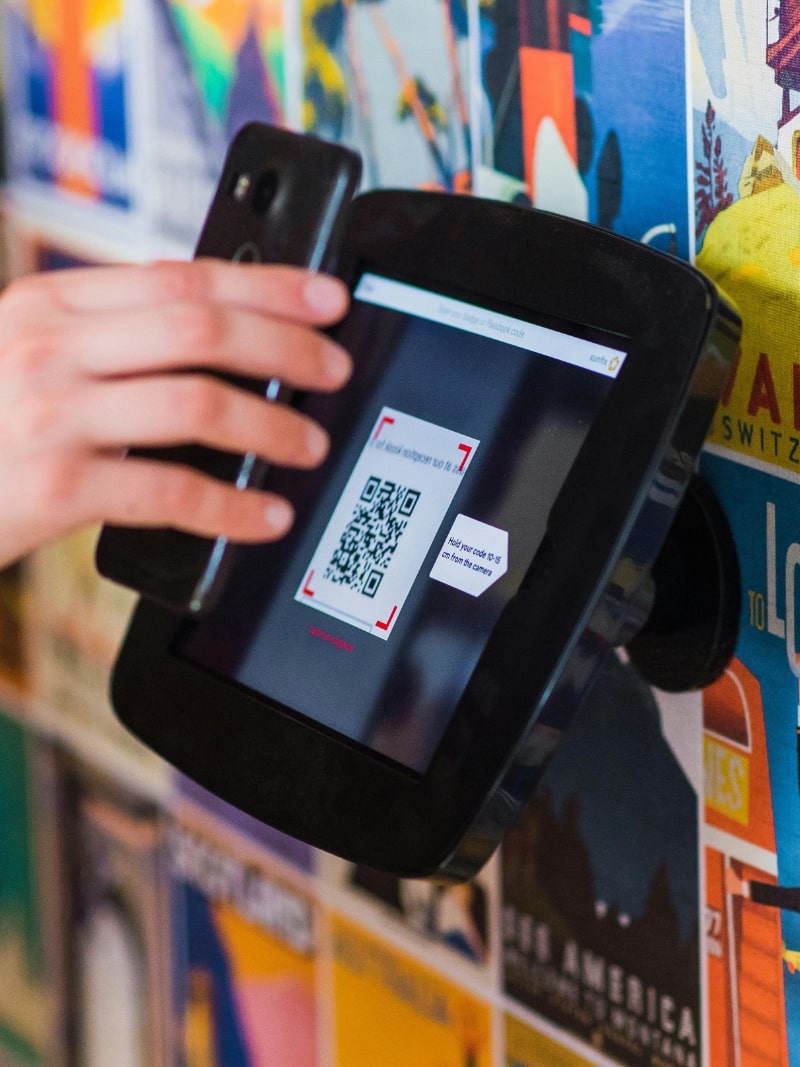
Capture leads and follow up; exhibition ROI is a long game

Here’s to your exhibition success

9. Capture Leads Seamlessly
Attracting visitors is one thing, turning that attention into meaningful leads is another. The key is to make the process feel effortless. If someone has to queue, fill in long forms, or hand over too much information before they’re ready, you risk losing the moment.
Today’s exhibitors have more tools than ever: digital lead-capture apps, QR codes, badge scanners and automated follow-ups. But the best systems are those that integrate smoothly into the natural flow of conversation. For example, having a QR code subtly printed on your counter or coffee cup invites interest without pressure.
Hospitality can play an important supporting role here too. When visitors pause for a drink, it creates a natural window to chat, not as a pitch, but as a conversation. At Social Espresso we’ve seen how a short exchange over a flat white often leads to a more natural connection than a scripted approach. A mobile coffee bar can even double as a soft data-capture point, with optional sign-ups or branded takeaway materials that keep your company front of mind.
Keep your follow-up process simple. One memorable conversation, paired with an easy digital touchpoint, is far more valuable than dozens of rushed scans.

10. Follow Up and Measure Success
Once the exhibition ends, the real work begins. What you do in the days that follow determines whether the effort you put into the event truly pays off.
Start by setting clear metrics before the show: not just the number of leads collected, but the quality of conversations, social mentions, and brand visibility. These qualitative measures often tell a more accurate story than numbers alone.
When following up, timing and tone matter. A simple thank-you message within a few days, ideally referencing something specific from the conversation, helps your outreach feel authentic rather than automated. If you’ve offered hospitality, mention it: “It was great chatting over coffee at the show, let’s continue the conversation”.
Gathering internal feedback is just as important. What worked well? When was the stand busiest? Which elements sparked conversation or slowed it down? This insight allows you to refine your approach for the next event and focus resources where they make the biggest difference.
By closing the loop between preparation, delivery, and reflection, you build not just better stands but better strategies. Exhibitions are dynamic environments, and the brands that thrive are those that keep learning from every experience.
Expert insight – why follow up is vital
According to figures from Tradeshow Executive, exhibitors convert sales from prospect leads after exhibitions and trade shows over the following time periods:
- 14% within the first 3 months
- 17% between 3 and 6 months
- 19% between 7 and 11 months
- 29% between 12 and 18 months
- 10% between 12 months and 2 years
- 2% over 2 years
- With 9% stating they didn’t know
That’s 50% in the first year, and almost 40% in the following year: the ROI from an exhibition can be a slow, but still lucrative, burn.
Looking forward: Understanding Trends and the Future of Exhibition Engagement
Exhibitions continue to evolve. As technology advances and visitor expectations shift, brands are rethinking how they create presence and connection on the show floor.
One noticeable trend is the move towards micro-experiences; short, meaningful interactions that capture attention without overwhelming visitors. These might be small live demonstrations, tasting moments, or short conversations that feel spontaneous rather than staged. The emphasis is on quality over quantity: deeper engagement with fewer, more relevant visitors.
Sustainability has also become central. Exhibitors are looking for modular, reusable structures and locally sourced materials, as well as suppliers who align with their environmental goals. Simple, low-waste hospitality options (such as serving coffee in recyclable or compostable cups) now reflect positively on brand values as much as design or messaging.
At the same time, the human element remains irreplaceable. Technology can enhance, but not replace, genuine interaction, and looking ahead, we expect to see more emphasis on atmosphere, comfort and authenticity, i.e. environments where visitors feel welcome to stay, talk and connect. Whether through immersive design, personal storytelling or small hospitality touches, the future of exhibition engagement lies in experiences that feel both professional and personal.
Expert insight
Claire Catliff has absolutely no doubt that exhibitions, trade shows and business expos will continue to be a hugely important part of business in the years ahead. Whatever else changes, people will always love real face-to-face interactions and networking, even more so now that many people are working some, if not most, of the week away from a traditional office environment. Exhibitions provide an ideal environment for building trust, relationships and collaboration.
Conclusion
A successful exhibition stand doesn’t have to be the biggest, the brightest or the most expensive. It has to feel alive, inviting people in, giving them a reason to stay, and leaving them with something memorable to take away.
Across all the strategies in this guide, from stand design and storytelling to hospitality and follow-up, a common thread runs through them all: connection. When visitors feel seen, welcomed and engaged, business naturally follows.
At Social Espresso we see this every day while providing coffee catering for exhibition stands. Whether on a bustling stand in London or at an international event in Barcelona, Milan or Helsinki, the principle is the same: great coffee starts great conversations. It’s not about the drink alone, but the moment it creates; a pause, a smile, an opening.
Discover More About How Social Espresso Can Help You
If you’re planning your next exhibition and want your stand to be the one people remember, the one that draws people in and keeps them talking, then we’d love to help. Our team provides professional baristas, branded coffee bars and premium hospitality services tailored to your event.
Bring your stand to life with Social Espresso… and turn every coffee into a conversation.
FAQs
How can I make my exhibition stand more attractive to visitors?
Focus on warmth, clarity and openness rather than size or budget. A clear message, inviting layout, and human connection are what draw people in. Thoughtful lighting, tactile materials and a sense of flow make your space feel easy to enter and pleasant to explore.
What are the best ways to engage visitors at an exhibition?
Create simple, interactive experiences that start conversations, a demo, a challenge, a photo opportunity can all work well. Hospitality helps too: a mobile barista serving quality coffee or refreshments creates natural moments for dialogue and connection.
Does the location of my stand really matter?
Yes. Corners, intersections and areas near cafés or seminar zones tend to get higher footfall. Avoid enclosed corners or dead-end aisles where you might be overlooked. If you can’t secure a premium position, use lighting, scent, or sound to draw attention from a distance.
What makes a good giveaway for an exhibition?
Giveaways that people actually use are best — think notebooks, mugs, phone accessories or, a recent trend, branded socks. Match your item to your brand story and present it well; a neatly packaged gift keeps your logo visible long after the show.
How can coffee or refreshments help attract visitors?
Hospitality transforms your stand from a sales space into a social space. The aroma of freshly ground coffee and the warmth of a friendly barista invite people to pause and connect, and that’s where the good conversations begin.
Meet the Experts

Cathy Forsyth
Cathy has over 30 years’ experience in the Exhibition industry, including 13 years as Group Operations Manager for William Reed Business Media where she was responsible for all operational matters for the WRBM portfolio of shows at the NEC and Olympia. As a freelance consultant Cathy now supports event management teams at shows including ICE, DSEI, FESPA, Interplas, London Vet Show, TCT, Med-Tech, Clinical Pharmacy Congress, London Tech Show and many more. You can find Cathy on LinkedIn here.

Claire Catliff
Claire is the founder of multi-award winning Love Luxury Events. She has a wealth of knowledge stemming from her experience within the hotel, catering and exclusive events sectors, and an extensive understanding of designing, creating and delivering stunning events gained through a vast array of roles within the luxury market over the past 30 years. To find out more, visit LoveLuxuryEvents.co.uk.